Crashing out Chosen Christian Cross PNG
A Quiet, Confident Statement—Not a Shout
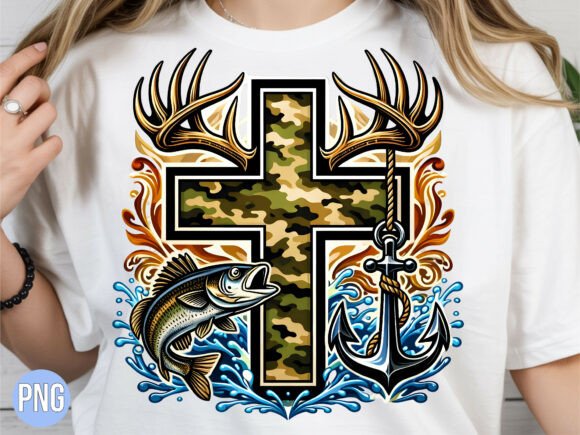
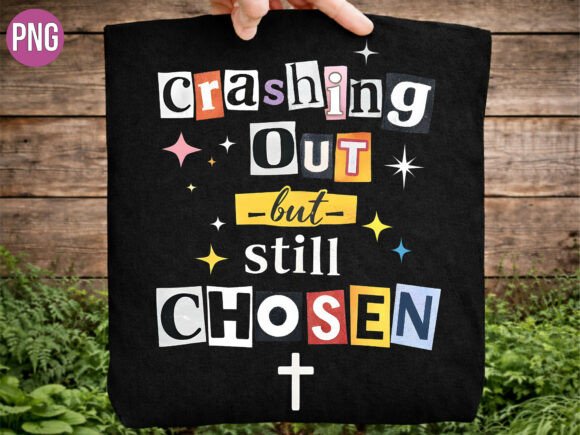
First glance at Crashing out Chosen Christian Cross PNG tells me this isn’t flashy gospel—it’s grounded. The cross is centered, clean-lined, and slightly elongated, with subtle tapering in the arms and a soft, intentional weight to the vertical beam. There’s no ornate filigree or crowns of thorns—just quiet reverence. It reads as modern but not trendy, spiritual but not preachy. That balance matters deeply when you’re stitching for real people: a new parent choosing nursery decor, a boutique owner curating Easter merchandise, or an Etsy seller building a consistent faith-based collection.
Where It Lives Best—Real Projects, Real Fabric
I tested Crashing out Chosen Christian Cross PNG on a medium-weight cotton canvas tote bag—no lining, no interfacing—and it held up beautifully. The design’s moderate width (roughly 3.5–4 inches wide at full scale) gave enough presence without overwhelming the fabric. On a crewneck sweatshirt? Equally strong. The shape nests cleanly into the chest area, and the clean edges translate well into satin stitch borders with minimal thread build-up. I also stitched it onto a lightweight linen tea towel—here, the simplicity shone. No tiny details got lost; no fill areas bunched or skipped. That’s rare for a cross design meant for small-batch handmade products.
It’s especially effective for baby embroidery: think onesies, burp cloths, or muslin swaddle tags. The proportions scale down gracefully, and the absence of fine interior lines means even at 2.25 inches tall, the cross remains legible and tender—not stiff or symbolic in a way that feels distant. For holiday embroidery like Easter pillow covers or keepsake ornaments, it carries warmth without cliché. And yes—it works for custom apparel sold through small shops or craft fairs, where customers respond to sincerity over spectacle.
Where to Pause—Texture, Scale, and Surface Matter
This isn’t a one-size-fits-all embroidery file. On highly textured fabrics—like bouclé knits or thick terry cloth—the clean lines can blur unless you adjust stabilizer strategy. I’d recommend a medium-weight cutaway + light tear-away combo for those surfaces. On stretchy fabric (think ribbed knits or lightweight jersey tees), test first: the design’s open negative space between arms needs firm support to prevent distortion during hooping and stitching.
Dark fabric demands attention too. The design doesn’t include built-in underlay or shadow layers, so black or navy backgrounds need high-contrast thread—navy thread on black won’t read. Likewise, on curved surfaces like caps or structured aprons, check how the horizontal arm flows across the dome or seam line. You may need to slightly rotate or resize to avoid visual “dipping.” And while the lettering in “Chosen” is bold and legible at 3+ inches, don’t push it below 2 inches—fine serifs soften quickly in satin stitch.
What It Adds—Beyond the Stitch
Crashing out Chosen Christian Cross PNG elevates perceived value without demanding premium pricing. Its restraint makes finished products feel intentional—not mass-produced. Customers notice that. A customer buying a personalized gift from your shop doesn’t just see a cross; they sense care in the choice. That builds trust. For boutique branding, it slots neatly into a cohesive aesthetic—pair it with neutral tones, natural fibers, and minimalist packaging, and it reinforces authenticity.
It also supports brand consistency across product types: same design on a kitchen towel, a patch, and a baby onesie feels unified—not repetitive—because the shape holds its own in each context. And for digital product sellers, it’s a smart addition to a T-Shirt Designs collection: clean, scalable, and emotionally resonant without leaning on overused motifs.
Practical Designer Notes—Before You Hoop
- Always test on scrap fabric first—especially if stitching on blends, textured weaves, or dark substrates.
- Review stitch density: This design avoids heavy fill zones, but confirm your machine handles the satin-stitched outer edges smoothly on your chosen thread weight.
- Confirm hoop size compatibility: While it scales well, avoid forcing it into sub-3-inch hoops without checking corner clearance and jump stitch placement.
- Inspect small details: Zoom in on the junction of arms and stem—make sure there’s no unintended overlap or gap that could cause thread nesting.
- Test in black-and-white mockups: Does it retain clarity when converted to grayscale? That’s essential for printable mockups and digital previews.
- Compare light vs. dark fabric backgrounds: Adjust thread color accordingly—cream on oatmeal linen reads differently than white on charcoal fleece.
- Use proper stabilizer: Lightweight cutaway works best for most cottons and linens; switch to fusible + tear-away for knits.
- Verify licensing terms: If you plan to sell finished embroidered items or resell the embroidery file itself, confirm commercial use rights are included—don’t assume.
Final Thought—A Design That Serves the Maker and the Meaning
Crashing out Chosen Christian Cross PNG doesn’t ask to be the loudest thing in your design library—it asks to be the most trusted. It’s the kind of embroidery file that earns repeat use because it delivers predictably: clear stitches, thoughtful proportions, and emotional resonance that translates across tote bags, baby items, holiday gifts, and small shop merchandise. It respects the craft, the customer, and the quiet intention behind every handmade product. For designers, Etsy sellers, and creative entrepreneurs building meaningful collections—not just inventory—it’s not just another cross. It’s a considered choice.